

Target Species
-
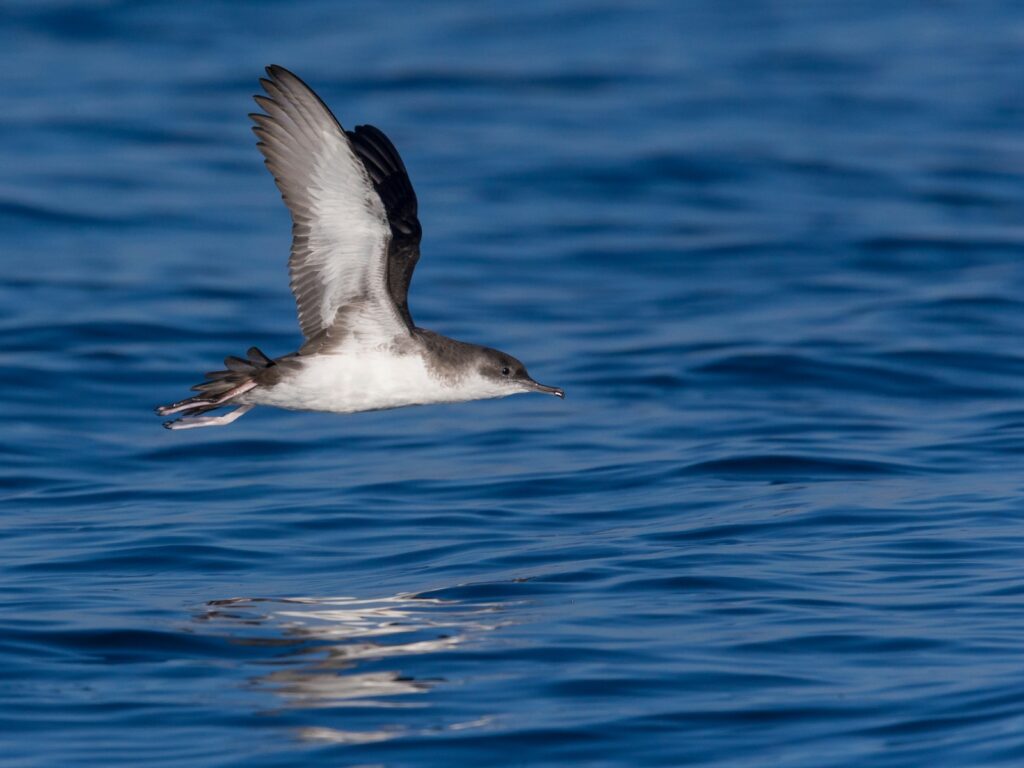
Berta minor
( Puffinus yelkouan )A typically pelagic species, it spends most of its life in the open sea feeding on small fish and cephalopods. It nests in colonies on the high, rocky shores of islands furthest from the mainland, using natural cavities, caves and crevices in the rock. It lays only one egg per year and shows a strong loyalty to its breeding site and partner.
Colonies often fall within protected areas of the Natura 2000 Network. The species is threatened by habitat deterioration at nesting sites, human disturbance and light pollution that disorients the young. Particularly impactful is the presence of the black rat (Rattus rattus), which preys on eggs and chicks, compromising reproductive success.
Additional pressures arise from bycatch in fisheries, reduced trophic resources and marine pollution. It is classified as Vulnerable (VU) on the IUCN Red List and is protected by the Birds Directive. Conservation measures, such as the eradication of the Black Rat carried out on several Mediterranean islands also through various LIFE projects, are essential for its survival.
-
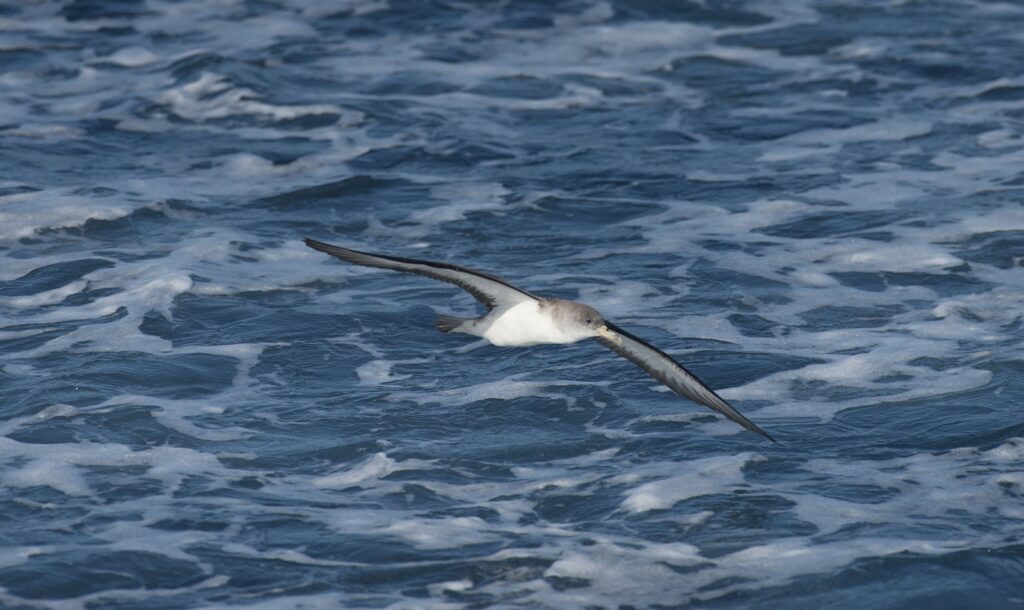
Major Bertha
( Calonectris diomedea )Pelagic seabird that nests in the Mediterranean basin, spending most of its life in the open sea where it feeds on fish and cephalopods. It forms breeding colonies on rocky cliffs, islands and islets, using caves and natural cavities to shelter from predators. It lays only one egg per year and shows high fidelity to its nesting site. Colonies often fall within Natura 2000 protected areas.
The species is threatened by illegal egg collection, loss and deterioration of suitable habitat and anthropogenic disturbance at breeding sites. Particularly impactful is the presence of introduced terrestrial predators, such as rats and cats, that feed on eggs and chicks, compromising reproductive success.
Additional pressures arise from bycatch in fishing activities (bycatch), light pollution and reduced trophic resources. The Greater Berta is protected by the Birds Directive and is the subject of conservation action at several Mediterranean sites.
-
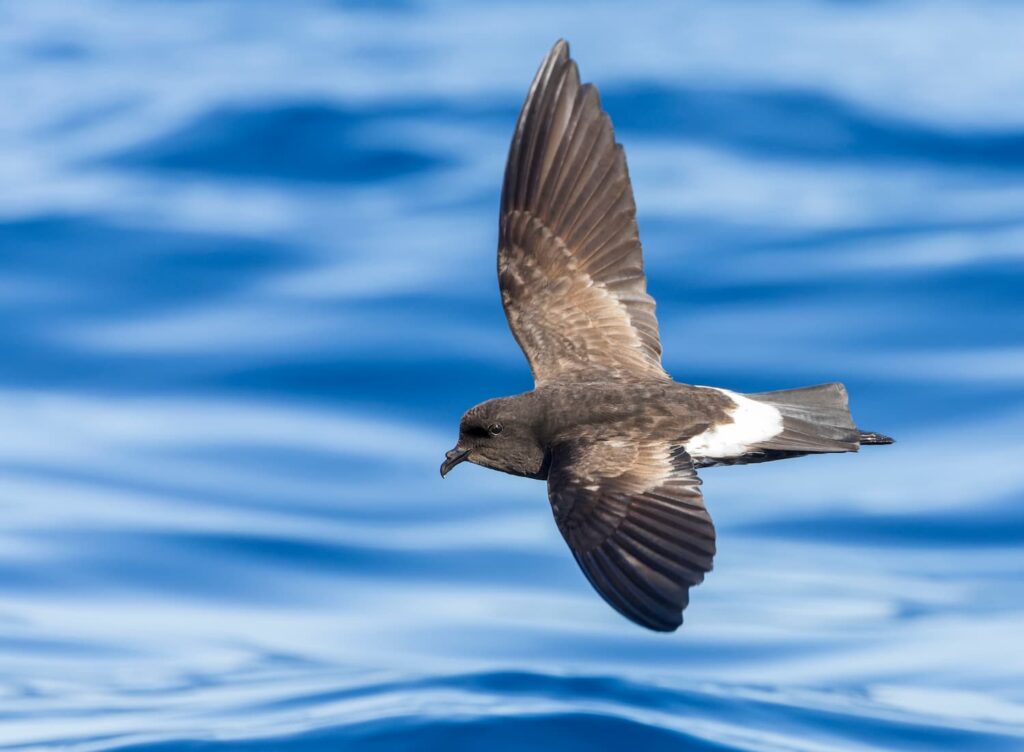
Mediterranean storm bird
( Hydrobates pelagicus melitensis )A small pelagic seabird, endemic to the Mediterranean, it spends most of its life in the open sea feeding on plankton, small fish, crustaceans and cephalopods. It nests in colonies in the caves and crevices of the high and rocky coasts of the islands furthest from the mainland, choosing dark cavities that are difficult to access. It lays only one egg per year and shows high fidelity to the breeding site.
The colonies often fall within protected areas of the Natura 2000 Network. The species is threatened by marine pollution, reduced fish stocks and anthropogenic disturbance at its breeding sites, in particular by nocturnal frequentation of the coastline.
Particularly impactful is predation by the black rat (Rattus rattus), which compromises reproductive success by preying on eggs and chicks. Further pressures come from light pollution, which disorients adults and juveniles during colony entry and exit. It is protected by the Birds Directive and is the subject of conservation measures at several Mediterranean sites.
-
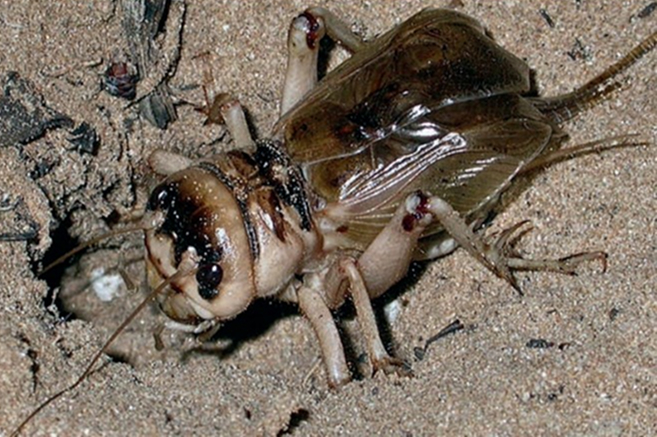
Jiminy Cricket
( Brachytrupes megacephalus )A rare Mediterranean endemic orthopteran, present in Europe in Sardinia, Sicily, the smaller Sicilian islands and Malta, as well as in North Africa. It lives in well-preserved coastal sandy environments, dunes and back-dunes, where it digs deep tunnels in the ground that it uses as a refuge and breeding site.
A mainly nocturnal species, it feeds on plant material and small organic debris. Its presence is closely linked to the naturalness and stability of the dunes, a habitat protected by the Natura 2000 Network.
The European population is declining due to the loss and fragmentation of sandy environments caused by coastal urbanisation, trampling, off-road vehicle use and mechanical beach cleaning. Further threats come from human disturbance and the degradation of dune vegetation. The conservation of this cricket depends on the protection and restoration of Mediterranean dune ecosystems.
-
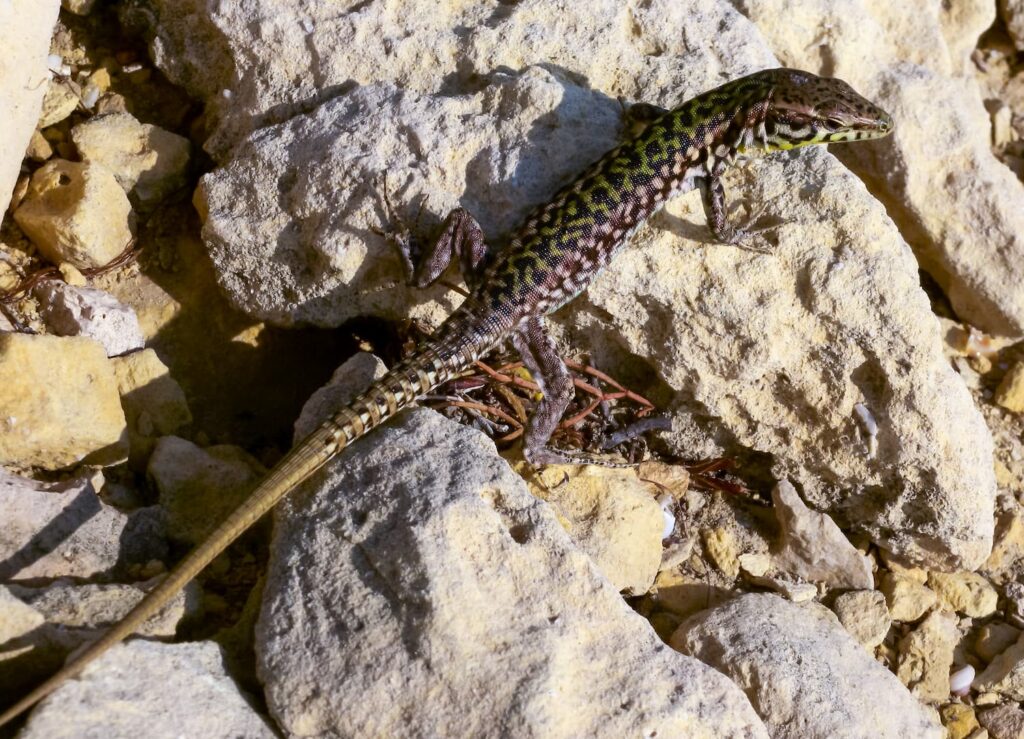
Maltese lizard
( Podarcis filfolensis )Small lizard endemic to the Maltese archipelago, adapted to arid climates and open environments typical of the Mediterranean. It lives in the Mediterranean maquis, in coastal and inland rocky areas, but also among traditional crops, dry-stone walls, gardens and house outbuildings.
A diurnal and territorial species, it feeds mainly on insects and other small invertebrates. Its presence is linked to the conservation of natural and semi-natural habitats, often included in Natura 2000 sites. It shows a good ability to adapt to anthropised environments, as long as they maintain suitable structural elements such as scrublands and spontaneous vegetation.
The main threat is posed by the introduction of alien species, particularly predators and competitors that alter the ecological balance. Further pressures come from habitat fragmentation and urbanisation. Habitat protection and the control of invasive species are essential for the conservation of the species.
-
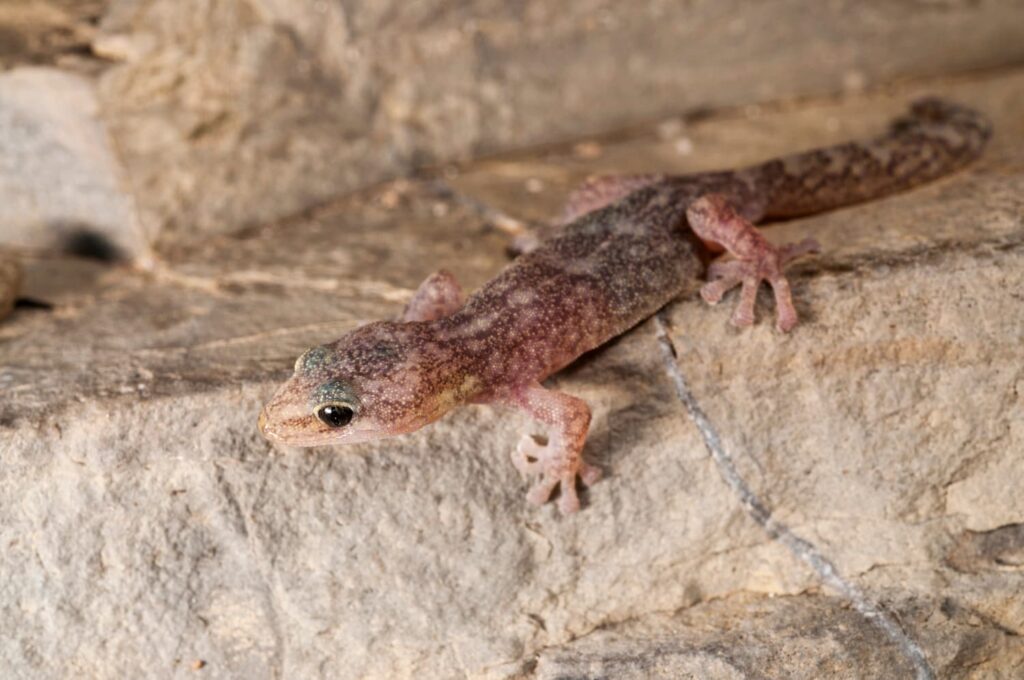
European gecko
( Euleptes europaea )A small gecko endemic to the western Mediterranean, found in rocky coastal environments, islands and islets, where it takes refuge in rock crevices and dry stone walls. A nocturnal and shy species, it feeds on small insects and other invertebrates. It is closely associated with well-preserved natural habitats, often falling within Natura 2000 sites, and shows little ability to disperse.
Reproduction takes place in protected cavities, with the spawning of a few eggs in damp, sheltered micro-environments. The species is particularly sensitive to anthropogenic disturbance and degradation of coastal habitats. The main threats include urbanisation, tourist use of rocky coastlines and the introduction of allochthonous predators such as rats and cats.
The preservation of the European gecko depends on the protection of cliffs, dry stone walls and poorly altered island environments.