
The project
LIFE TETIDE is a European project co-financed by the European Union, through the LIFE Programme, involving 26 Mediterranean islands in Italy, Malta and Croatia. The project aims to protect island ecosystems and improve the conservation status of species and habitats of community interest today threatened by the presence of invasive alien species.
The Mediterranean islands involved in the project are home to a high biodiversity, with endemic animal and plant species, some of them threatened at European level.
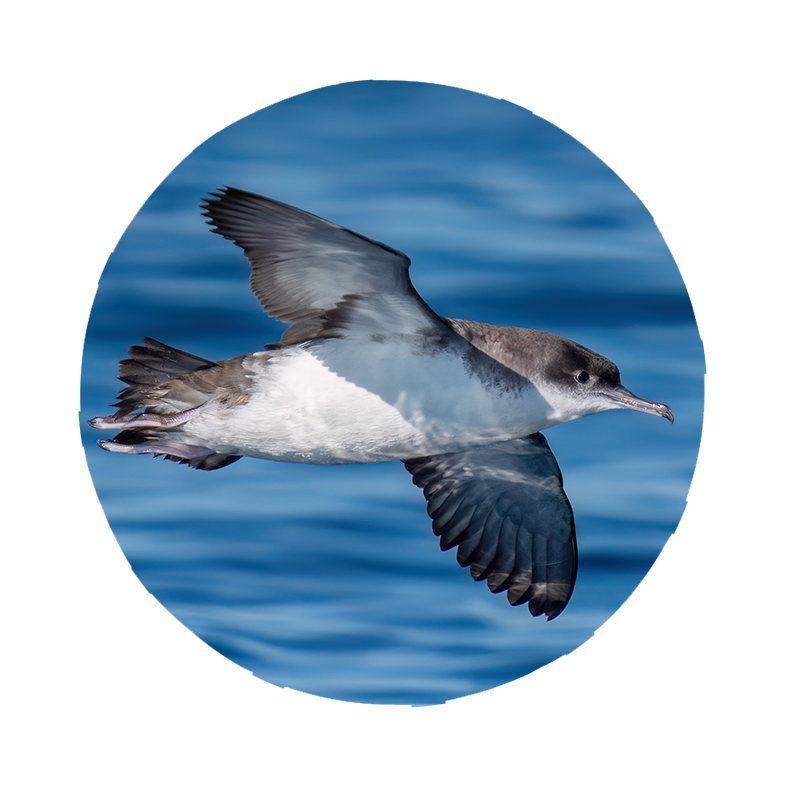
These include seabirds such as the Lesser Bertha (Puffinus yelkouan), the Berta Major (Calonectris diomedea), e the Mediterranean Storm Bird (Hydrobates pelagicus melitensis). There are also other species of European interest such as the Jiminy Cricket (Brachytrupes megacephalus), the Tarantuline (Euleptes europaea) e the Maltese Lizard (Podarcis filfolensis), which, despite its name, is also present in Italy in Linosa and Lampione.
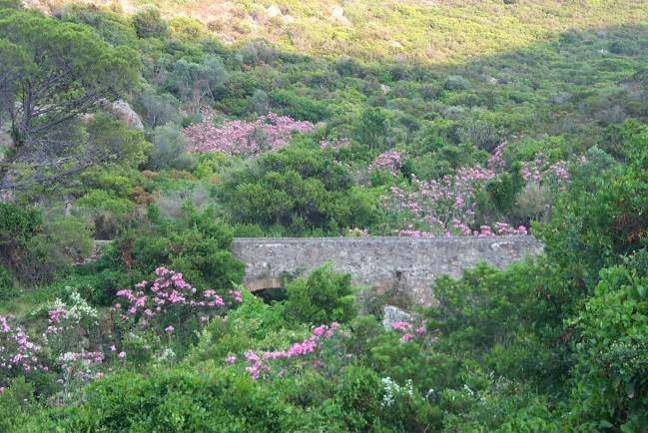
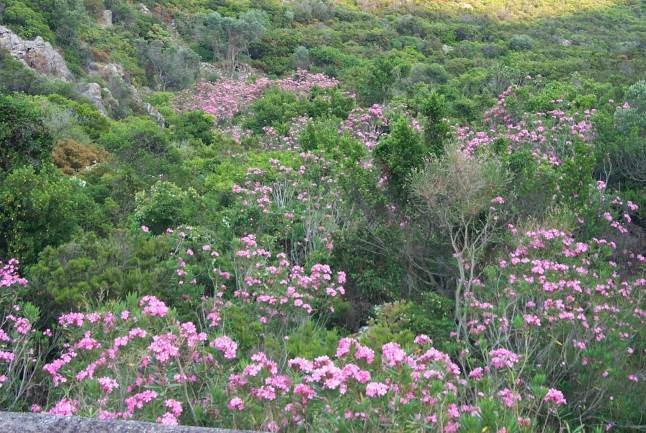
The protected habitats, belonging to Mediterranean island environments, constitute complex and delicate ecological systems in which vegetation, fauna and abiotic factors are closely interconnected. Their protection is not only about safeguarding individual species, but about maintaining the ecological balances that allow entire biological communities to exist and function.
These habitats host, among other things, plant communities of high conservation interest, often including rare or endemic species such as Limonium spp., Romulea insularis, Centaurea gymnocarpa e Mentha requienii.
The Mediterranean islands involved in the project are home to a high biodiversity, with endemic animal and plant species, some of them threatened at European level.
These include seabirds such as the Lesser Bertha (Puffinus yelkouan), the Berta Major (Calonectris diomedea), e the Mediterranean Storm Bird (Hydrobates pelagicus melitensis). There are also other species of European interest such as the Jiminy Cricket (Brachytrupes megacephalus), the Tarantuline (Euleptes europaea) e the Maltese Lizard (Podarcis filfolensis), which, despite its name, is also present in Italy in Linosa and Lampione.
The protected habitats, belonging to Mediterranean island environments, constitute complex and delicate ecological systems in which vegetation, fauna and abiotic factors are closely interconnected. Their protection is not only about safeguarding individual species, but about maintaining the ecological balances that allow entire biological communities to exist and function.
These habitats host, among other things, plant communities of high conservation interest, often including rare or endemic species such as Limonium spp., Romulea insularis, Centaurea gymnocarpa e Mentha requienii.

Mission
The mission of LIFE TETIDE is the protection of island ecosystems through the creation of an effective and shared strategy eradication and management of Invasive Alien Species with the active involvement of communities living and working on Mediterranean islands.
LIFE TETIDE thus creates the conditions so that the results obtained by the project can be maintained and replicated on other islands, ensuring the long-term maintenance of the ecological balances that characterise these ecosystems.
Within this framework, the project consists of a series of strategic actions aimed at preventing the main threats to island biodiversity and strengthening the conservation of habitats and species of community interest:
LIFE TETIDE thus creates the conditions so that the results obtained by the project can be maintained and replicated on other islands, ensuring the long-term maintenance of the ecological balances that characterise these ecosystems.
Within this framework, the project consists of a series of strategic actions aimed at preventing the main threats to island biodiversity and strengthening the conservation of habitats and species of community interest:
Eradication of invasive animal and plant species such as the Black Rat (Rattus rattus), the Tree of Paradise (Ailanthus altissima), the African Gladiolus (Chasmanthe floribunda) and the compact Prickly Pear (Opuntia stricta).
Implementation of a common biosecurity strategy with rapid response systems to prevent the recolonisation and spread of invasive alien species.
Installation of artificial nests and acoustic calls to encourage the return of the lesser Berte (Puffinus yelkouan), Greater Berte (Calonectris diomedea) and the European Storm Bird (Hydrobates pelagicus melitensis) in nesting sites made suitable again.
Involvement of local communities through training, educational and dissemination activities to ensure lasting results.
Environmental and socio-economic monitoring, to measure the effects of actions on species, habitats and populations.
Objectives
LIFE TETIDE has the following objectives:
Actions
Page under construction

Natura 2000 habitats
LIFE TETIDE actions aim to protect and improve the conservation status of 10 habitats of community interest:
-
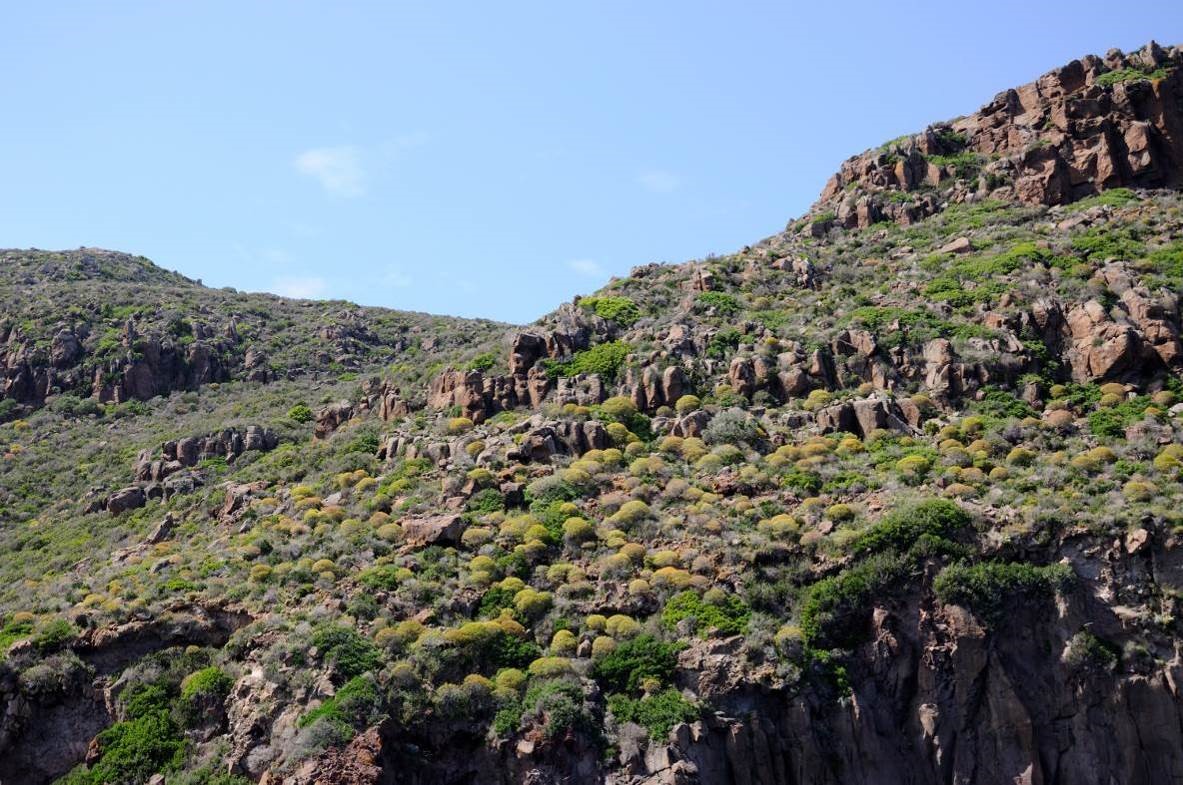
HABITAT 5330
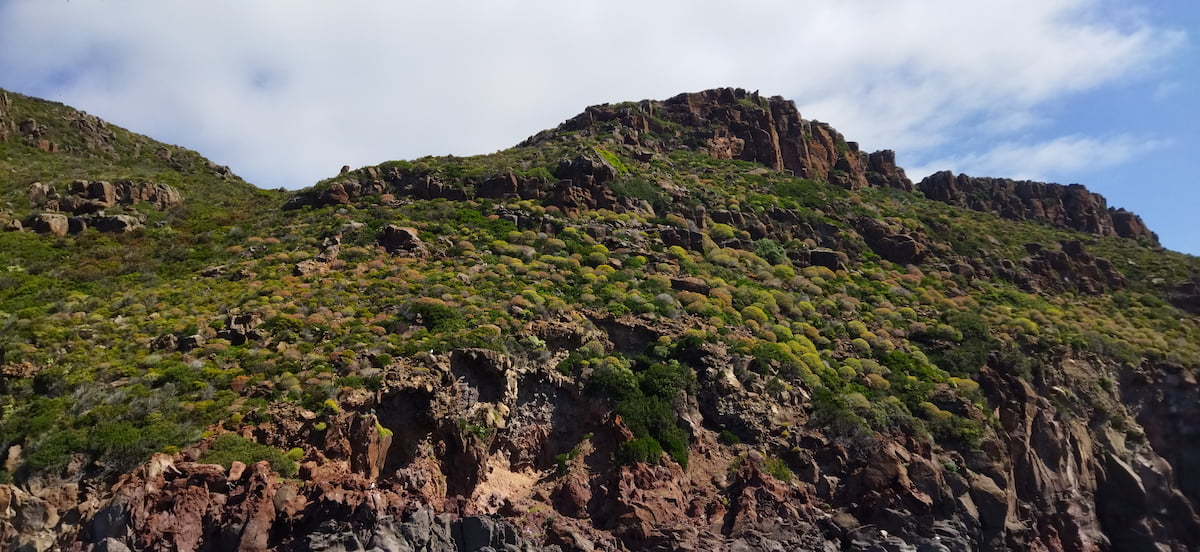
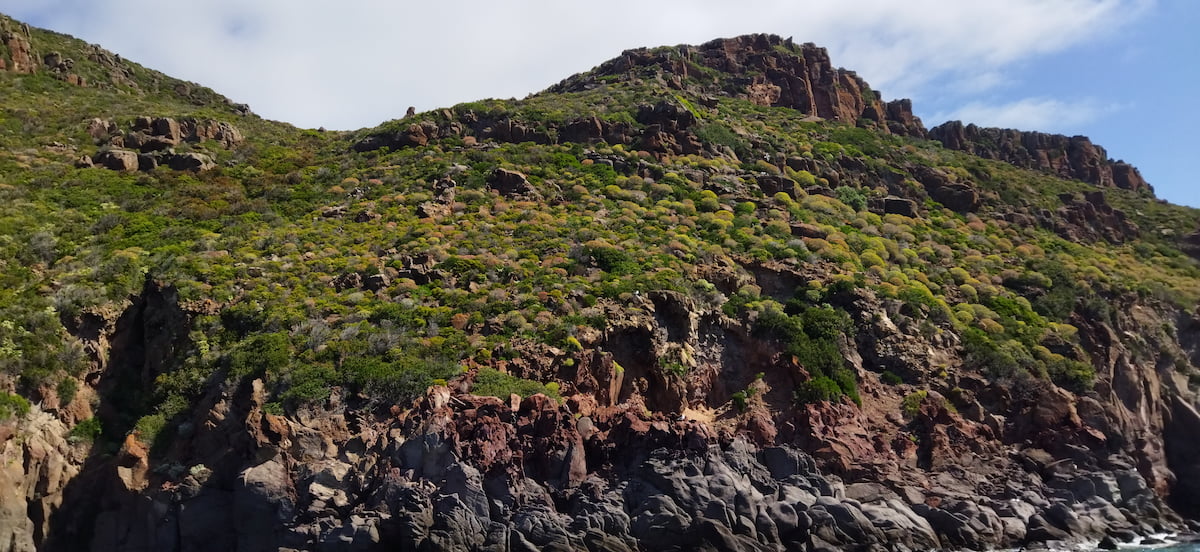
-
HABITAT 5320
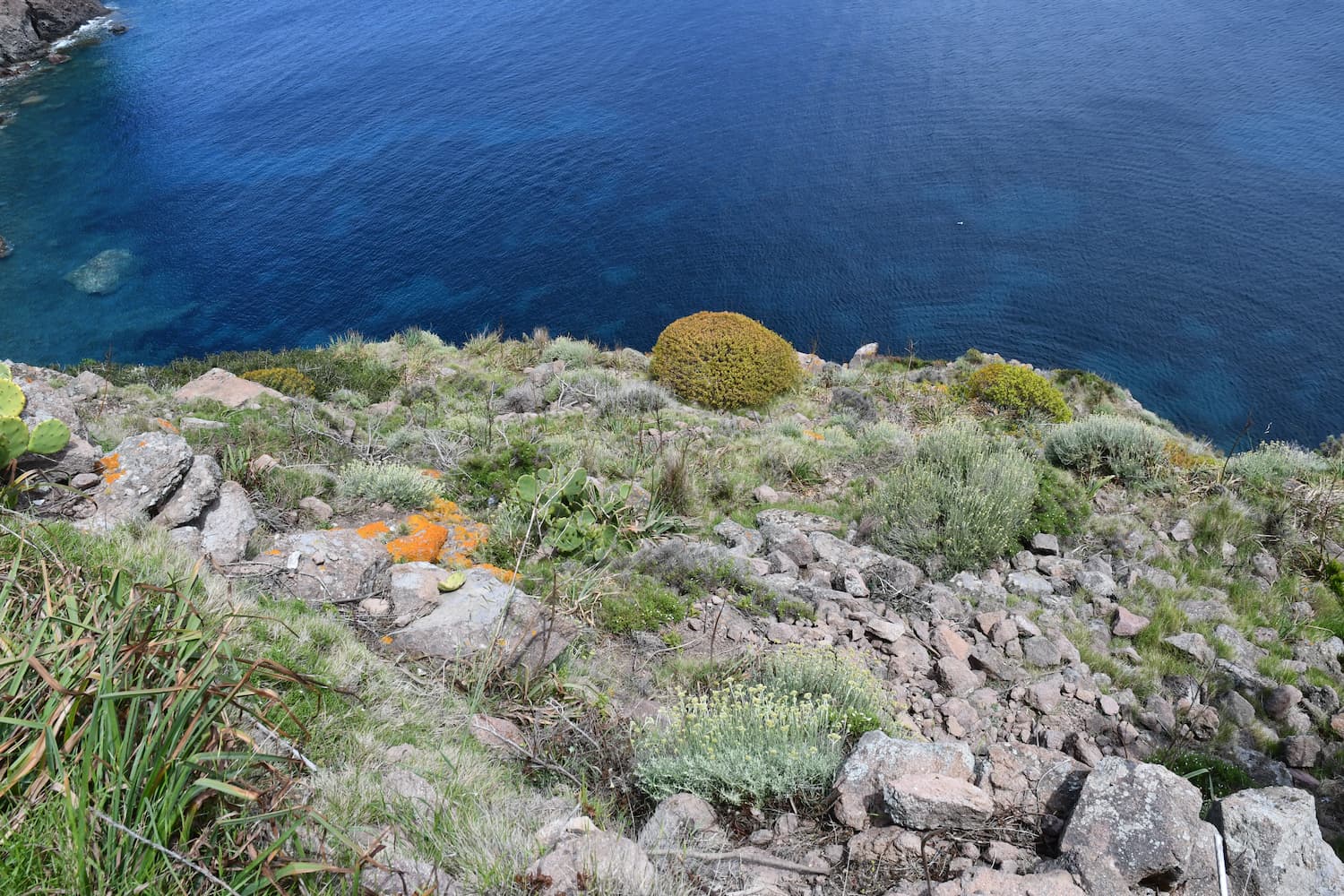
-
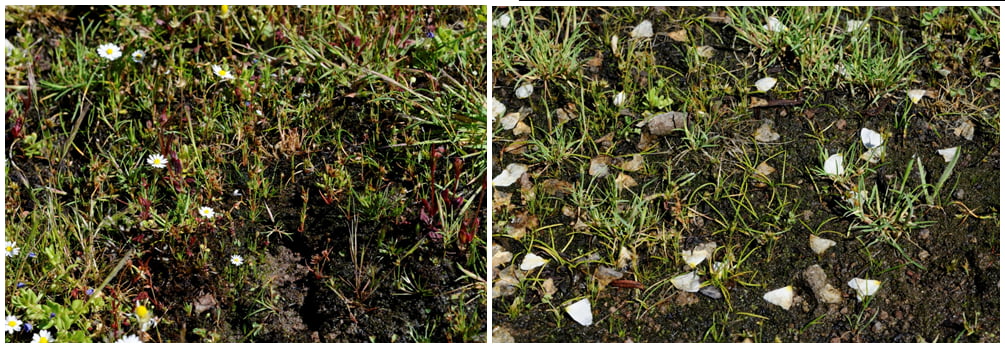
HABITAT 3170
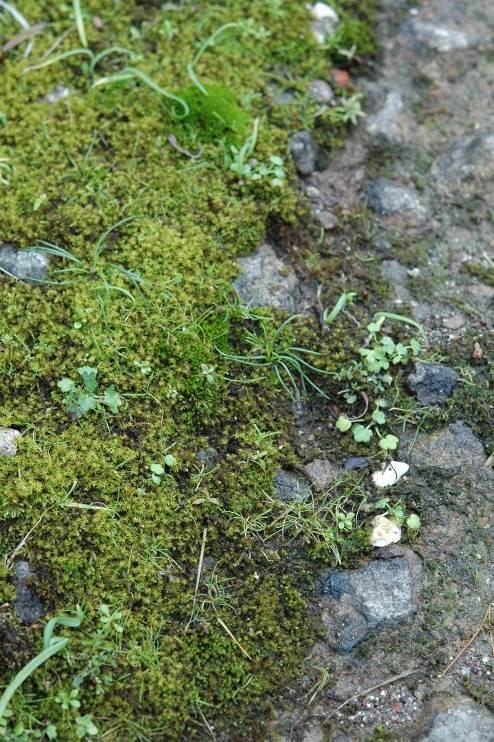
-
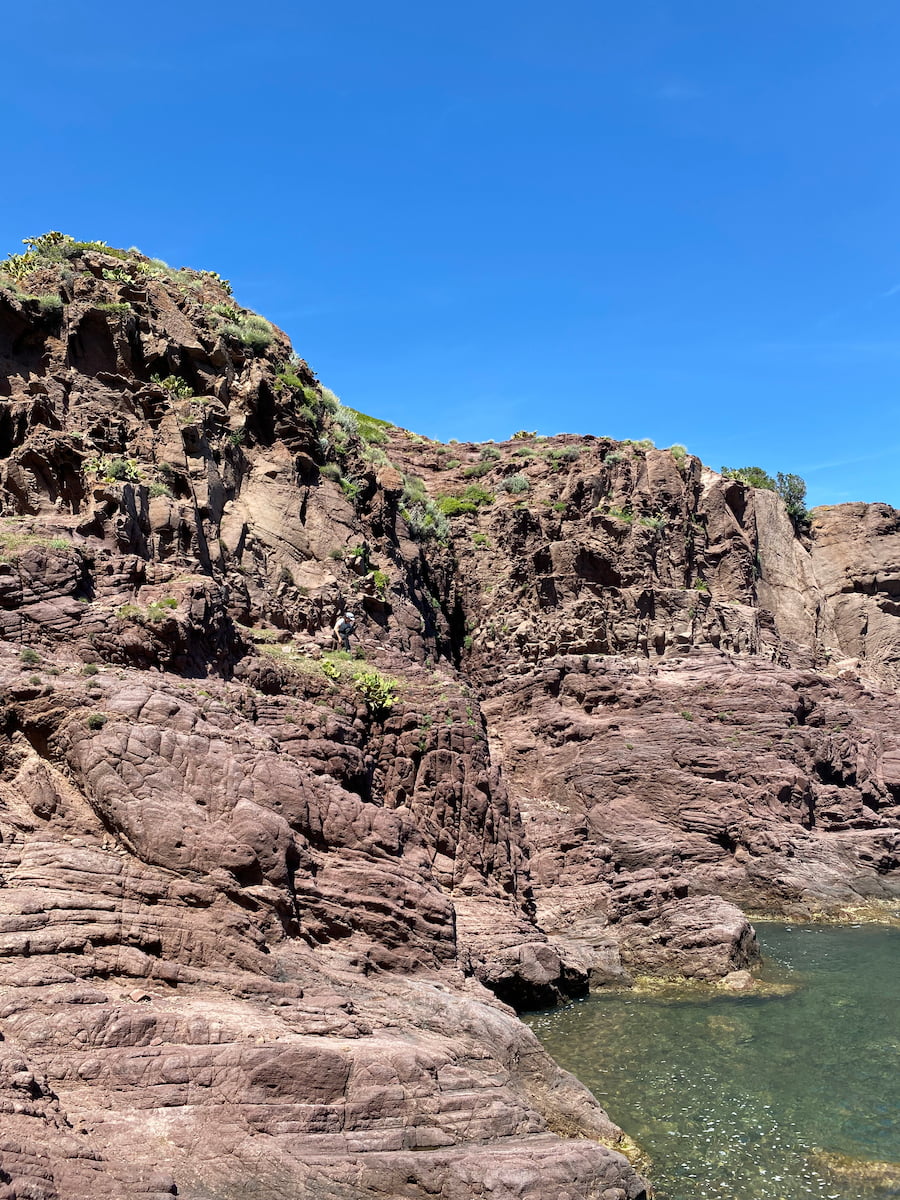
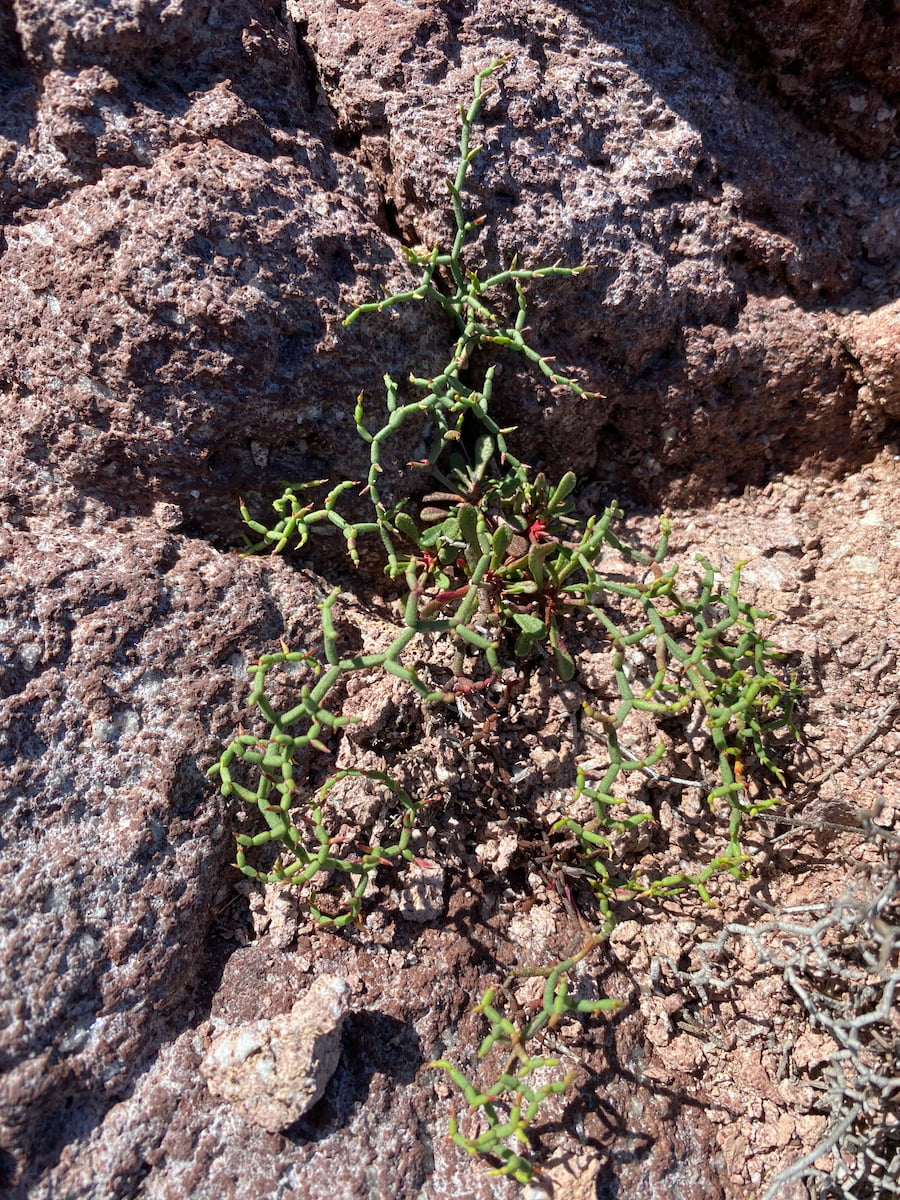
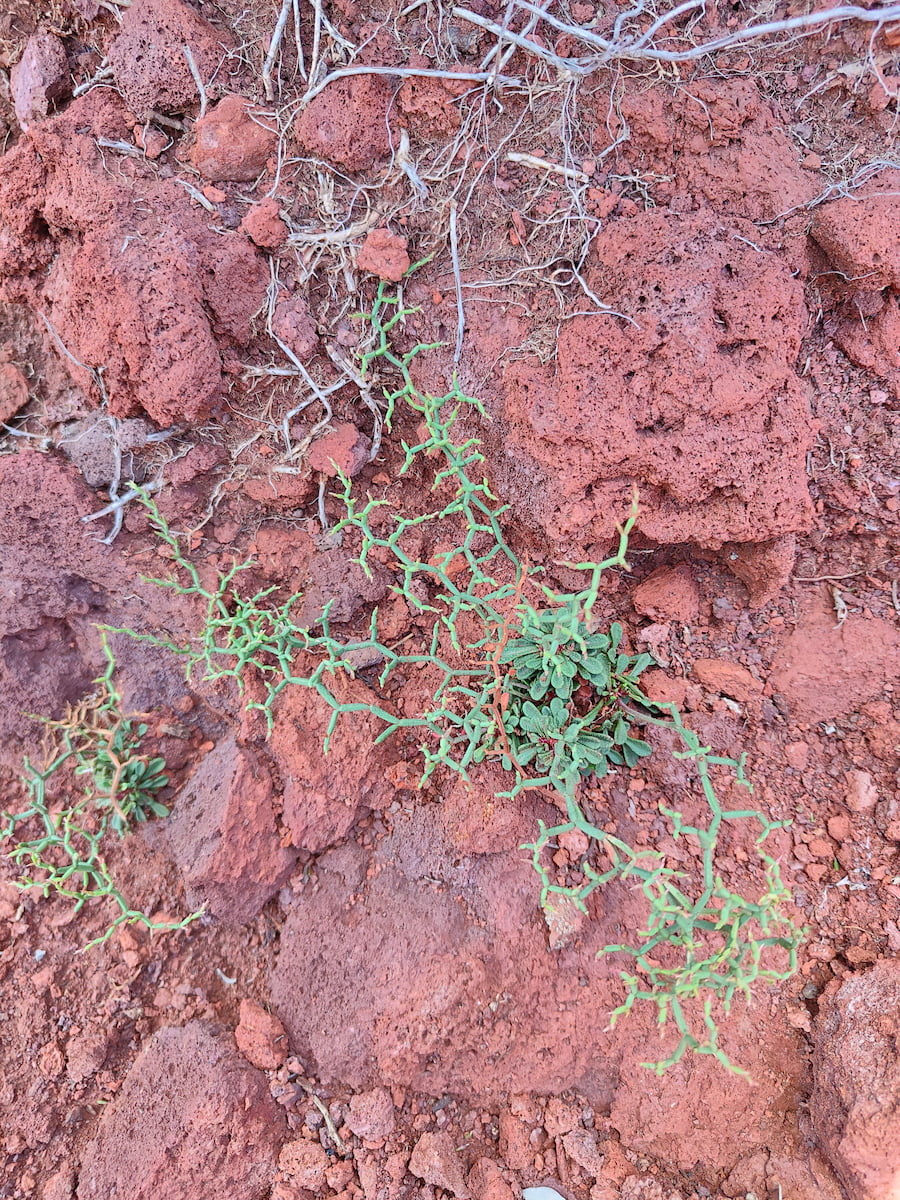
HABITAT 1240
-
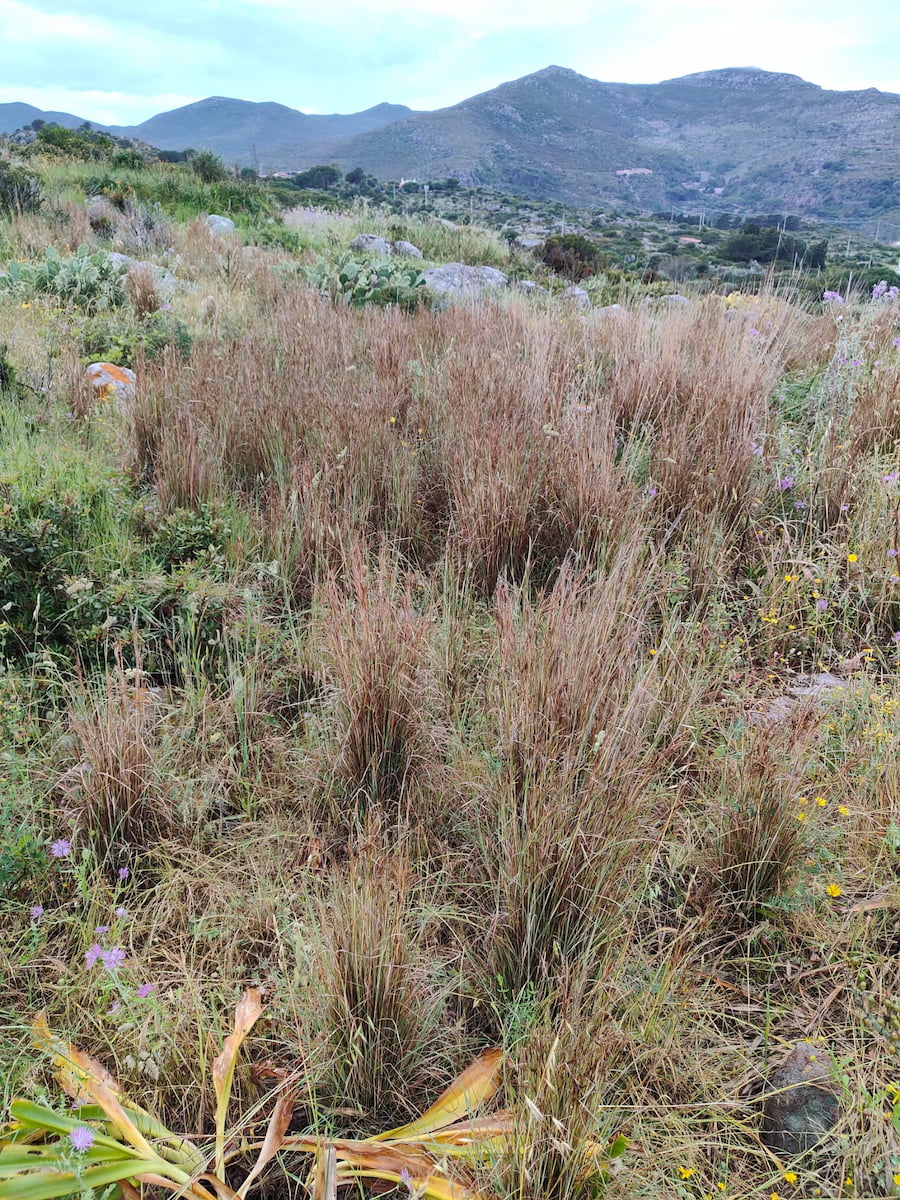
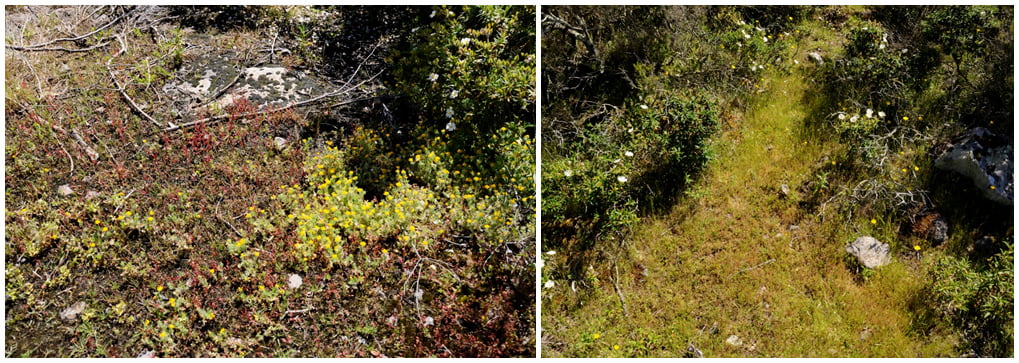
Habitat 6220
-
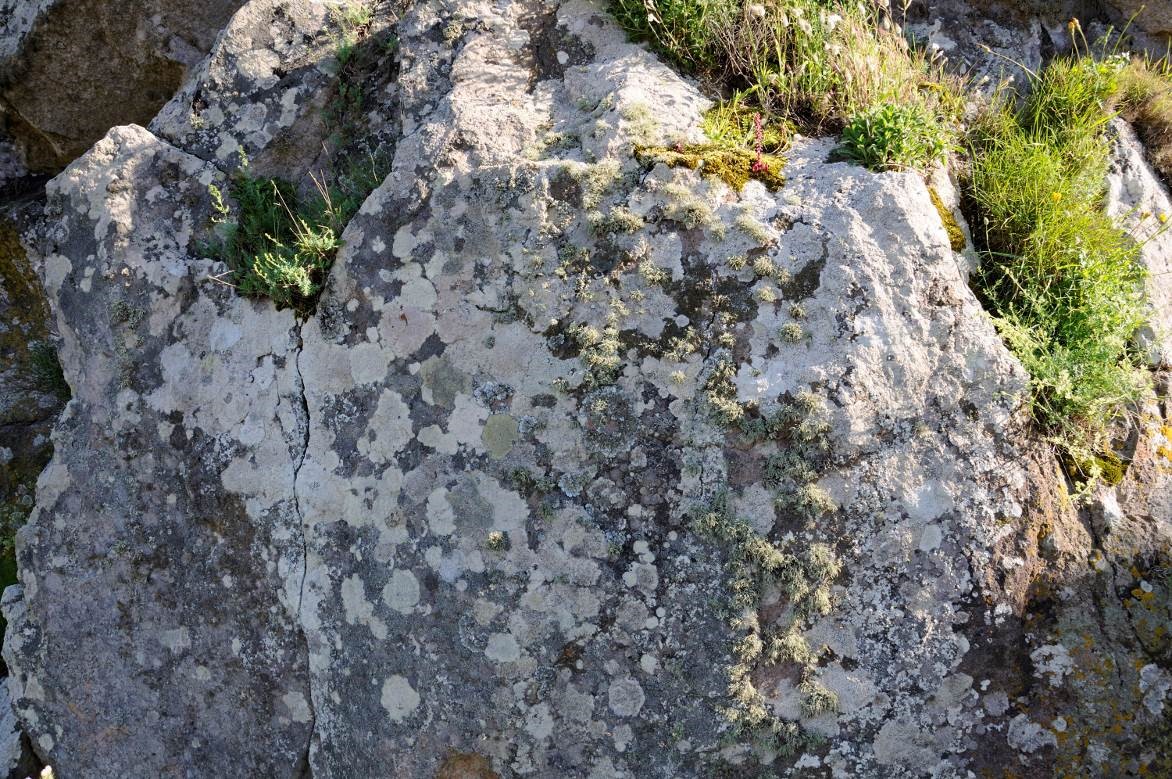
Habitat 8220
-
Habitat 92D0